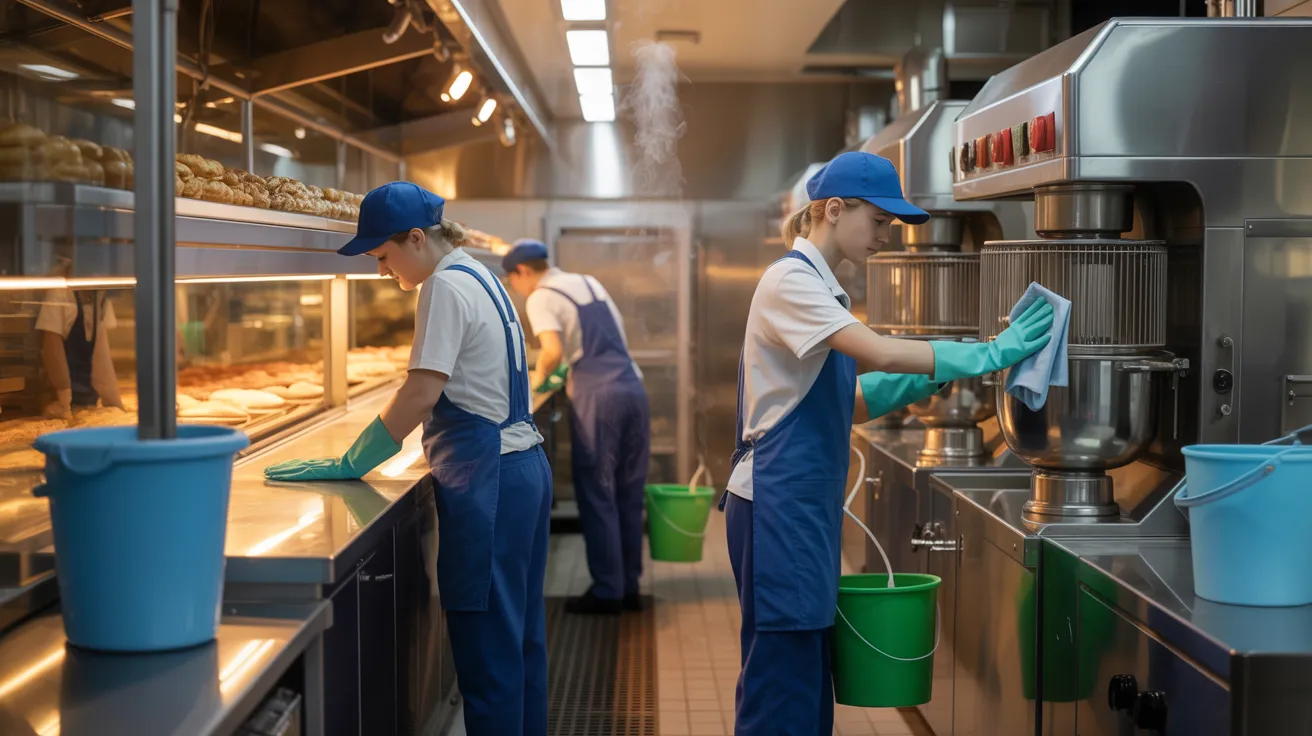
Commercial hygiene experts located in Brampton ensure food service establishments, food distribution facilities, bakeries, warehouses, and food service vehicles to sanitation standards. They disinfect high-touch surfaces, food-contact areas, equipment, floors, drains, restrooms, and food handling areas using approved sanitizers, in correct dilution, and with verified times.
Main Points
- Sanitation professionals from Brampton service restaurants, grocery departments, commissaries, warehouses, bakeries, schools, mobile vendors, and allergen-sensitive operations.
- Frequently contacted areas, food-contact equipment, kitchens, floors, drains, restrooms, and storage areas are treated using sectional methods to prevent cross-contamination.
- Confirmation of approved sanitizer dilution, alignment, and contact time is completed by certified specialists, with conclusion recorded using samples, assessments, and corrective-action records.
- Sound cleaning schedules take into account threat, production rate, format changes, releases, and guidelines when allocating regular, regular, and cyclical operations by area.
- Focus on providers showing hazard analysis knowledge, health regulatory understanding, safety training education, protection, credentials, coded implements, and inspection-ready sanitation files.
Food Safety Cleaning Requirements for Brampton Establishments
Any Brampton facility that handles, stores, prepares, packages, or serves food needs food sanitation. You must apply it if your operation falls under health inspection, premises standards, or HACCP protocols. That requirement covers food service venues, employee cafes, supply centers, retail departments, meat shops, fish areas, local stores, and institutional food prep areas.
You'll furthermore need documented food sanitation in supply key resource facilities, manufacturing operations, cold storage warehouses, bakeries, school food programs, reception halls, and delivery services. Portable business models count as well, including mobile kitchens, market vendors, and seasonal booths. When your employees work with ingredients, section ready-to-serve foods, heat meals, or keep allergens stored, your establishment requires established hygiene documentation. In Brampton, sanitation continues to be mandatory; it forms legal, operational, and consumer protection compliance.
Which Areas Do Brampton Cleaning Experts Cover?
You require experienced cleaning professionals who sanitize frequently touched areas, cooking areas, floor areas, and restroom facilities to ensure compliance with food safety and health standards. These areas are targeted due to their high cross-contamination potential, falling hazards, and health code violations.
By knowing exactly what gets cleaned, you can make sure your operation's sanitation protocols satisfy all operational and regulatory requirements.
High-Touch Surface Sterilization
assign how often each point is sterilized
swapping cloths frequently, maintaining one-way cleaning methods, and separating cleaning tools according to zone. Doing so maintains your cleaning program measurable, defensible, and ready for inspection at all times.
Cooking Zones, Walking Surfaces, and Restroom Environments
Professional cleaners in Brampton prioritize kitchens, floors, and restrooms given that each location involves specific food safety, falling hazards, and public health requirements. In industrial kitchens, you need degreasing on cook lines, equipment exteriors, drains, prep surfaces, and splash zones to minimize bacterial growth and pest activity.
Documented floor care is also provided as part of the service.
In restrooms, cleaners treat touchpoints, fixtures, partitions, dispensers, and waste containers then restock supplies and control odours. They also service restaurant moprooms, where chemical storage, sink hygiene, and drainage conditions can affect sanitation compliance and staff safety daily.
How Food Safety Cleaning Benefits Brampton Operations
Brampton businesses need to implement food-safe cleaning standards for satisfying legal standards and passing inspections. You also minimize bacterial spread through proper cleaning of food-preparation surfaces, appliances, and frequently-touched items. Most importantly, you help protect public health by lowering the risk of foodborne illness in your facility.
Sanitary Standards Adherence
Since Brampton food establishments must follow stringent health requirements, your sanitation practices directly determines your ability to meet health codes, safeguard diners, and eliminate regulatory penalties. You must maintain sanitary food-contact surfaces, written maintenance records, appropriate product handling, and auditable operational standards that correspond to municipal and provincial inspection expectations.
Diligent hygiene practices promotes cross-contamination prevention by decreasing particles on joint machinery plus regularly touched locations. If your cleaning standards deteriorate, you encounter citations, corrective directives, public perception damage, and possible interruption to service during further inspections or enforcement reviews.
Cross-Contamination Prevention
Adhering to health code standards requires your expertise in stopping cross-contamination throughout routine preparation and sanitation work. You need to separate raw ingredients from ready-to-eat foods, sanitize work stations after each task, and keep chemicals away from food-contact items. Organized systems minimize contamination events and ensure consistent compliance during inspections.
You should implement allergen segregation to keep priority allergens from contacting shared surfaces, containers, or equipment. Employ separate boards, labeled implements, and strict utensil labeling so employees avoid combining products during preparation or service. Mandate washing hands following raw meat, seafood, eggs, or allergen-containing products. Replace wiping cloths regularly, and check disinfectant potency using test kits. When staff members receive training on these procedures each work period, you build a more hygienic, secure workplace that meets Brampton's food safety expectations consistently.
Public Health Protection
When sanitation efforts deteriorate, you don't only risk a failed inspection—you raise the likelihood of foodborne illness striking customers, staff, and the larger Brampton community. You also weaken your role in safeguarding community wellness, especially in busy food facilities where contamination can spread quickly through surfaces, equipment, and touchpoints.
You require sanitation systems that eliminate soils, disinfect appropriately, and validate outcomes. This requires following contact periods, selecting approved disinfectants, documenting procedures, and educating staff to meet health-unit expectations. These controls promote illness spread by minimizing pathogens before reaching surfaces or food. Throughout Brampton, strong cleaning protects vulnerable communities, reduces outbreak risk, and demonstrates your diligence. When you follow proper protocols, you go beyond requirements—you lower hazards and enable safer food service throughout the area.
How Does Cleaning Support Food Safety Compliance?
Comprehensive cleaning schedules promote food safety compliance by reducing contamination risks, controlling pathogen growth, and maintaining your facility's adherence to sanitation requirements under HACCP-based programs and public health regulations. You confirm that food-handling surfaces remain visibly clean and microbiologically controlled, facilitating documented preventive controls and inspection readiness.
Effective cleaning also enhances allergen prevention by clearing residues that can provoke undeclared allergen exposure. by removing residues that can provoke undeclared allergen exposure.
How Should You Schedule Commercial Cleaning Work?
food-contact surfaces, bathrooms, and high-touch areas
Use weekly or monthly schedules
Finding Quality Brampton Cleaning Experts: A Guide
Start by screening providers against food sanitation standards, not cost only. You should verify that each company understands CFIA, public health, and HACCP compliance standards relevant to your facility. Ask for insurance documentation, WHMIS compliance, documented staff training, and supervision practices. Review whether technicians understand cross-contamination risks, chemical handling, and traceable sanitation records.
You should also assess operational reliability and responsibility. Request references from Brampton food businesses, then examine turnaround periods, corrective-action procedures, and communication standards. Confirm the company supports supplier audits and can present audit-ready records when regulators or third parties request evidence. Check whether equipment maintenance is performed, color-coded implements are used appropriately, and facility-specific risks are recognized. A competent service protects regulatory adherence, product integrity, and your brand reputation.
What does a Food Safety Cleaning Plan consist of?
Establish a documented plan that establishes every sanitation task, standard, and responsibility ahead of production commencement. You should specify cleaning frequencies, approved chemicals, dilution rates, contact times, tools, and verification methods for each zone, surface, and piece of equipment. Make sure to include pre-operational inspections, corrective actions, and employee training requirements.
Your strategy should also address cross-contamination controls, waste handling, pest-prevention measures, and documented schedules for rest areas, drains, flooring, and food-contact surfaces. Detail how you'll separate raw and ready-to-eat processes, facilitate ingredient tracking, and ensure accurate allergen labeling through validated cleaning between product changes. You should assign accountability, keep signed records, and review results against regulatory standards, HACCP controls, and customer requirements. When gaps appear, modify procedures immediately and retrain staff.
Popular Inquired Inquiries
Will cleaning services manage overnight shifts at Brampton properties?
If you operate regulated spaces, you'll also require records that support inspections and ensure quality assurance.
Do sanitation professionals provide hazard containment services?
Yes, you can locate Brampton sanitation experts providing spill response options. They manage contamination, assess dangers, isolate contamination, and initiate rapid cleanup to minimize exposure and avoid operational impact. You should verify response rates, certifications, safety protocols, and waste procedures. If your facility must adhere to regulations, select a service that documents events, follows procedures, and ensures audit compliance.
Are plant-based disinfectants appropriate for food-handling equipment?
Yes, plant-based sanitizers can be secure for food-contact surfaces if you choose products labeled food safe and satisfying regulatory requirements. You should validate exposure duration, concentration levels, and rinse procedures before implementation. Many botanical formulations reduce chemical hazards, but you must obtain proof of efficacy against harmful bacteria. To ensure residue-free conditions, you should follow precise manufacturer instructions and ensure the cleaning agent meets relevant food safety standards.
Do cleaning schedules support seasonal production changes?
Certainly, cleaning schedules adjust to production fluctuations readily. Revise intervals, labor allocation, chemicals, and testing procedures to correspond with seasonal workflows while sustaining compliance standards. Reduce operational delays via planning cleaning during line changes, peak volumes, and operational patterns. Also revise written procedures, staff education, and facility monitoring to reflect seasonal hazards, novel allergens, or higher contamination levels. Scheduled reviews ensure your program current.
Are professional cleaning companies offering staff training on sanitation best practices?
Certainly, professional cleaning experts coach your employees on sanitation best practices. You obtain staff training on proper chemical use, contact times, contamination control, equipment disassembly, and documentation procedures. They typically align instruction with HACCP, GMP, and CFIA or regional health bodies standards. Many also run health assessments to verify compliance, identify gaps, and reinforce corrective actions. This helps you copyright standard processes, satisfy audits, and minimize foodborne pathogen risks daily.
Conclusion
Through working with Brampton food safety and commercial cleaning experts, you do far more than tidy—you keep your operation prepared for audits and your standards meet requirements. From production floors to kitchens, all maintained surfaces and kept corners help prevent pest problems and prevent significant costs. Through scheduling maintenance at proper intervals and adhering to a comprehensive cleaning program, you ensure protection for employees, your patrons, and your good name. Within strict regulatory frameworks, proper sanitation cannot be considered optional—they represent good business practice.